Blog

  • Local Heroes: Zanzibeer – Refreshment, Island Style

    Local Heroes: Zanzibeer – Refreshment, Island Style

    [dropcap style=”dark” color=””]W[/dropcap]

    hen it comes to beating the tropical heat, few things hit the spot like a cold, refreshing beer — and Zanzibeer delivers just that, brewed with the spirit of the island in every drop.

    Produced by Twiga Brewery in Arusha, Zanzibeer is brewed on the mainland but made with Zanzibar in mind. It’s crisp, light, and refreshingly easy to drink — designed to suit the island’s climate and lifestyle. 

    Twiga Brewery

    Twiga Brewery, an independent craft brewery based in Arusha, Tanzania. Known for their dedication to quality, innovation, and sustainability, Twiga combines modern brewing techniques with a deep respect for local flavour and culture. 

    The secret behind Twiga Beer’s quality is the combination of soft brewing water, premium ingredients and plenty of time for a natural finish of our beers. Twiga Beers are brewed according to the German Purity Law from 1516 and consist of malt, hops, yeast and best mountain spring water only. They do not contain any additives or preservatives.

    Taste Profile
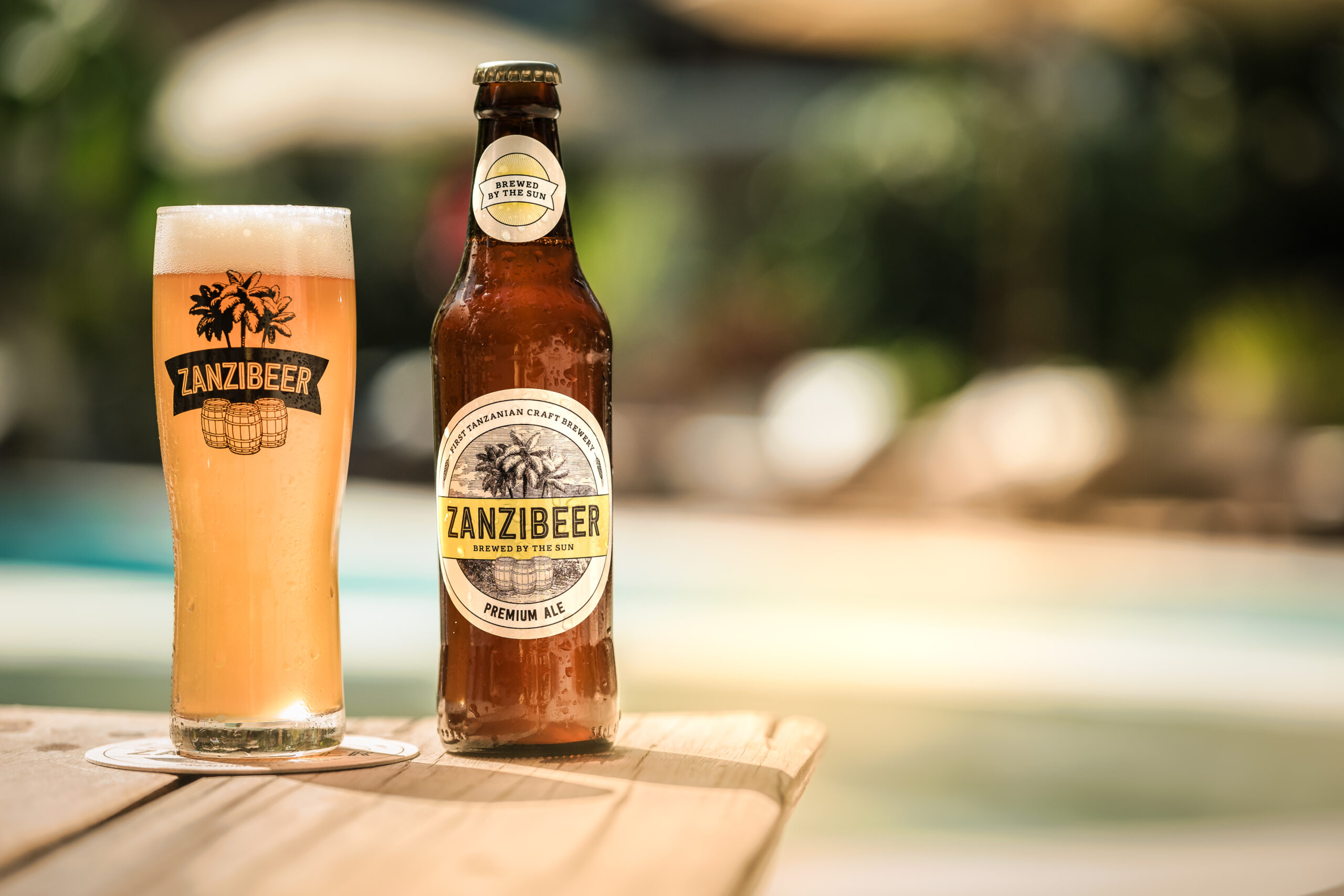
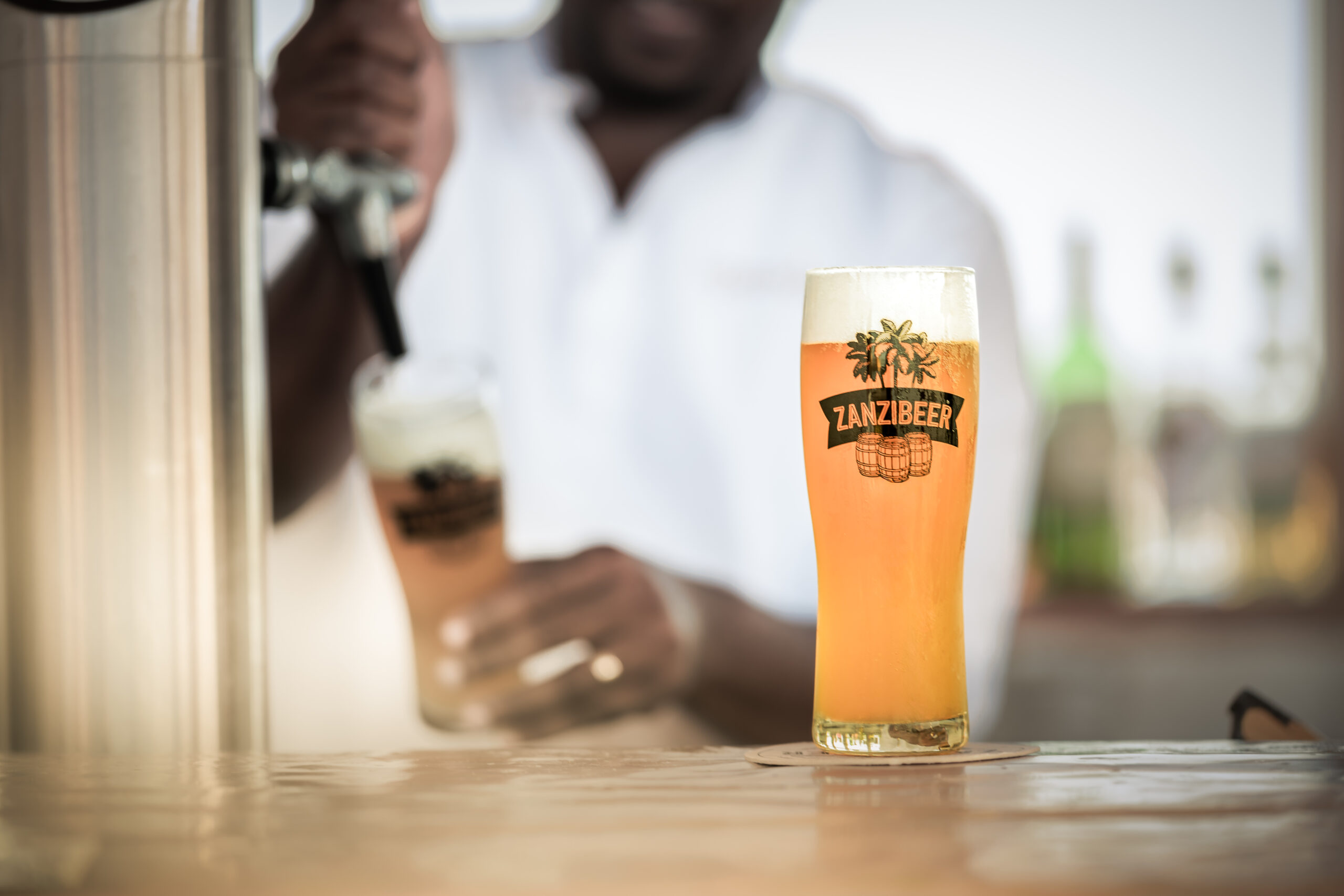
    Zanzibeer is brewed for refreshment — crisp, light-bodied, and easy-drinking with a smooth finish that suits Zanzibar’s tropical climate perfectly. Subtle malt notes are balanced with gentle bitterness, making it a versatile choice for all-day sipping. Whether served ice-cold in a bottle or fresh from the tap, it’s a beer that brings instant island refreshment.

    And there’s more to come — a brand new Zanzibeer IPA is on the horizon, offering bold tropical hops and a fuller flavour for those seeking a more adventurous pour. Watch this space.
    Ways you can enjoy Zanzibeer

    Zanzibeer is available in the following formats:

    • 330ml Bottles – ideal for smaller venues, boutique hotels, or takeaway offerings.

    • 10L Draught kegs – perfect for higher volume bars and restaurants looking to pour a crisp, cool pint.

    • 20L Draught kegs – for the highest volume venues – get in touch to discuss!
  • Tanzanian Wines: A Hidden Gem in African Viticulture

    Tanzanian Wines: A Hidden Gem in African Viticulture

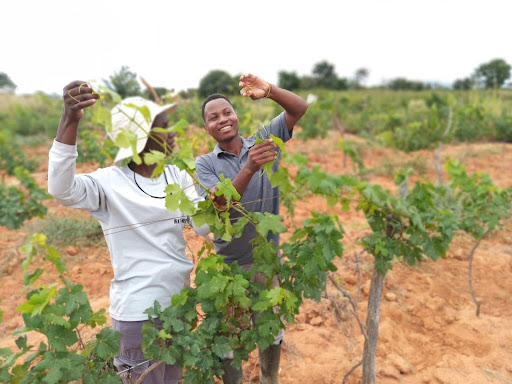
    [dropcap style=”dark” color=””]W[/dropcap]hen people think of African wines, South Africa often comes to mind. However, Tanzania is emerging as a fascinating player in the world of winemaking. With its unique climate, volcanic soils, and a growing number of dedicated vineyards, Tanzanian wines are gaining recognition both locally and internationally.

    The History of Tanzanian Winemaking

    Winemaking in Tanzania dates back to the 1960s, with production concentrated in the Dodoma region. Catholic missionaries were among the first to cultivate vineyards, introducing grape varieties that could thrive in Tanzania’s tropical climate. Today, Dodoma remains the heart of the country’s wine industry, thanks to its dry conditions and mineral-rich soils.

    Grape Varieties Grown in Tanzania
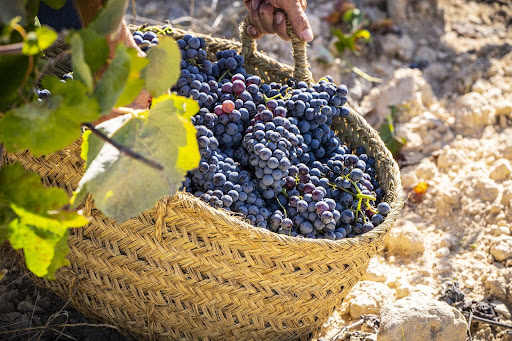
    Tanzanian vineyards have adapted to their environment by cultivating grape varieties that can withstand warm temperatures and irregular rainfall. The most common include:

    • Makutupora Red – A local favorite, known for its deep color and bold flavors.
    • Syrah/Shiraz – Producing rich, full-bodied wines with spicy and fruity notes.
    • Cabernet Sauvignon – A familiar variety that grows surprisingly well in Tanzania’s climate.
    • Chenin Blanc – A crisp white wine grape offering tropical fruit flavors.

    Tanzanian Wineries to Explore

    Some of the leading wine producers in Tanzania include:

    • Central Tanzania Wine Company (CETAWICO) – Known for its production of Makutupora and premium red wines.
    • Dodoma Wine Company (Dowico) – One of the pioneers of Tanzanian winemaking, producing both red and white wines.
    • Allegro Wine – A newer player bringing innovation to the industry with modern techniques and global influences.

    The Future of Tanzanian Wine

    As demand for African wines grows, Tanzanian vineyards are attracting international attention. Investments in modern viticulture techniques, improved fermentation processes, and sustainable farming practices are helping the industry expand. Local winemakers are also experimenting with organic methods to enhance quality and compete on a global scale.

    Tanzanian Wine from Veritas

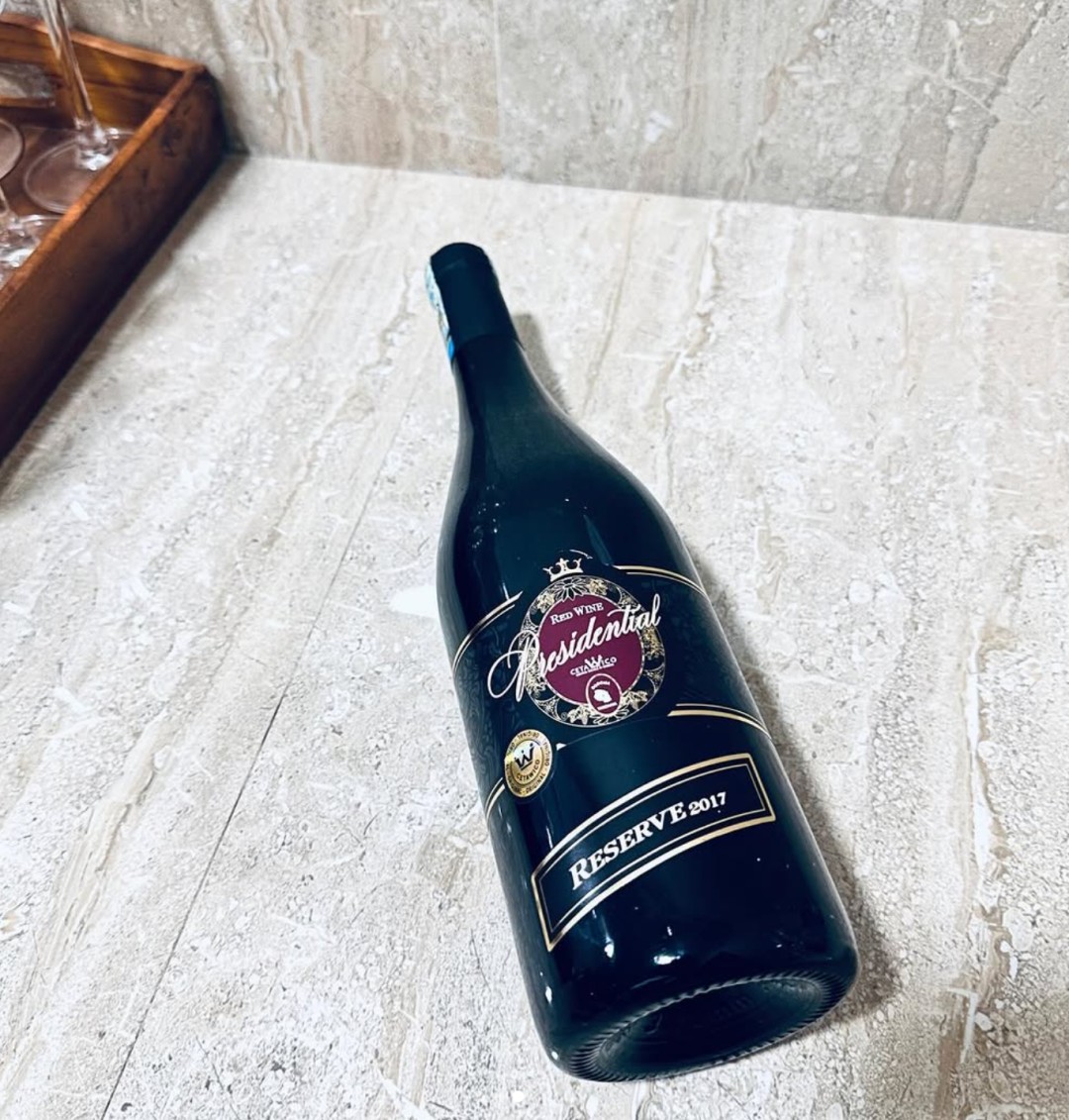
    At Veritas Foods & Drinks, we are proud to supply high-quality Tanzanian wines to Zanzibar. We are fortunate to distribute the entire Cetawico range!
    This includes our wine of the week: the exceptional Presidential Reserve. This bold, full-bodied red is one of Tanzania’s finest, offering rich dark fruit flavors and a smooth, velvety finish. A truly great local wine, it’s available from our online catalogue—perfect for pairing with grilled meats or enjoying on its own while the sun sets.

    Explore our full range of wines at Veritas and discover the flavors of East Africa today.

  • Guide to Wine by country & region

    Guide to Wine by country & region

    [dropcap style=”light” color=”#024126″]H[/dropcap]ere is an informative blog about the countries of our wine suppliers, their brands, and the details about the wineries and the types of wines they produce. This will give you deeper insights into the regions and grapes used in our offerings. 

    Exploring the Origins: Countries and Wineries Behind Veritas’s Wine Selections PART ONE

    At Veritas, we pride ourselves on offering a curated selection of the finest wines from around the world. Our diverse portfolio includes wines from renowned regions, each with a unique story and a rich heritage. Here’s a detailed look at the countries, the brands we carry, and the exceptional wineries that produce these wines, excluding those from South Africa.

    SOUTH AFRICA

    Wine Characteristics of South Africa

    South African wine is renowned for its diversity and unique characteristics, shaped by the country’s varied climate, soil, and geography. Here’s a summary of the key wine regions and their distinct features:


    Western Cape

    The heart of South African wine production, the Western Cape, benefits from a Mediterranean climate and diverse soils. This region includes famous areas like Stellenbosch, known for premium red wines such as Cabernet Sauvignon, Merlot, and Syrah. The coastal influence and varied terrain contribute to wines of great depth and character.

    Coastal Region

    This region includes districts like Constantia, famous for its sweet wines and Sauvignon Blanc, and Durbanville, known for its elegant white wines, especially Sauvignon Blanc. The cooling ocean breezes and high altitude provide ideal conditions for producing wines with fresh acidity and minerality.

    Swartland

    Located north of Cape Town, Swartland has a Mediterranean climate and is known for its rich, full-bodied wines, including Syrah, Chenin Blanc, and Rhône varietals. The region is also embracing organic and biodynamic practices, pushing the boundaries of South African winemaking.

    Paarl

    Paarl is known for its robust red wines and signature whites. The region’s warm climate and diverse soils contribute to the production of bold and flavorful wines.

    Elgin

    Elgin is celebrated for its cool-climate wines, particularly Sauvignon Blanc, Chardonnay, and Pinot Noir. The high altitude and proximity to the ocean provide ideal conditions for producing wines with fresh acidity and minerality.

    Walker Bay

    Perfect for Pinot Noir and Chardonnay, Walker Bay benefits from its cool climate and maritime influence, producing elegant and refined wines.

    Robertson

    A valley of sunshine, Robertson is known for its crisp white wines, including Chenin Blanc and Sauvignon Blanc. The warm climate and fertile soils contribute to the production of vibrant and aromatic wines.

    Key Grape Varieties

    South Africa’s signature grape varieties include Chenin Blanc, Pinotage (a unique South African creation), and Cabernet Sauvignon. Chenin Blanc is versatile and often dry, full of flavor, while Pinotage combines the characteristics of Pinot Noir and Cinsault, offering a range of styles. Cabernet Sauvignon has historical importance in South Africa and produces wines with a distinct Cape character.

    South African wines reflect the country’s rich history, diverse terroir, and innovative winemaking practices, making them a dynamic and exciting addition to the global wine scene.

    Fairview Wines

    Fairview is one of South Africa’s most celebrated wineries, located in the Paarl region of the Western Cape. The winery is renowned for its innovative approach to winemaking and its commitment to sustainability.

    Spice Route Wines

    Spice Route, based in the Swartland region, is known for producing bold, expressive wines that capture the essence of their terroir.

    Footprint Wines

    Footprint Wines are produced with a focus on quality and sustainability, offering a range of varietals that reflect South Africa’s diverse winemaking heritage.

    Bonne Esperance

    Bonne Esperance offers wines that embody the spirit of the Western Cape’s winemaking tradition.

    The Vinecrafter

    The Vinecrafter wines are crafted to highlight the unique characteristics of South Africa’s varietals.

    Golden Kaan

    Golden Kaan offers premium wines that showcase the best of South African winemaking.

    Paul de Villiers

    Paul de Villiers offers premium Bordeaux-style blends that reflect South Africa’s rich winemaking heritage.

    Cape Song

    Cape Song offers a unique twist with their Albariño, a varietal not commonly found in South Africa.

    Spier Wines

    Spier is renowned for its sustainable practices and high-quality wines.

    SPAIN

    Wine Characteristics of Spain

    Spain boasts a diverse range of climates and terrains, making it one of the most varied wine-producing countries in the world. From the cool, green regions of Galicia to the arid plains of La Mancha, Spain offers a wide array of wine styles. The Mediterranean climate in regions like Rioja and Catalonia provides hot summers and mild winters, perfect for growing both red and white varietals. The soils range from limestone and clay to sandy and granite, each contributing unique characteristics to the wines.

    Freixenet Wines

    Freixenet is one of the most famous sparkling wine producers from Spain, known for its high-quality Cava.

    CVNE (Compañía Vinícola del Norte de España)

    CVNE is one of Spain’s most historic wineries, located in the Rioja region.

    Bodega Cerrón

    Located in the Jumilla region, Bodega Cerrón is known for its organic and biodynamic wines.

    FRANCE

    Wine Characteristics of France

    France is arguably the most famous wine producing country in the world, known for its diverse wine regions that offer a wide range of climates and soils. The cool climate of Champagne produces crisp, high-acid wines, while the warmer regions of Bordeaux and the Rhône Valley create rich, full-bodied reds. The country’s varied geology, from limestone and chal

    k in Champagne to gravel and clay in Bordeaux, plays a crucial role in defining the unique terroir of each region.

    Barton & Guestier (B&G)

    Barton & Guestier, founded in 1725, is one of the oldest wine merchants in Bordeaux.

    Bodega Cerrón

    Located in the Jumilla region, Bodega Cerrón is known for its organic and biodynamic wines.

    Champagne Selections

    France is also famous for its champagne, offering some of the most prestigious sparkling wines in the world.

    ITALY

    Wine Characteristics of Italy

    Italy’s diverse climate and geography make it one of the most varied wine-producing countries in the world. From the cooler regions in the north, like Piedmont and Veneto, to the warmer southern regions like Sicily, Italy produces a wide range of wine styles. The volcanic soils in regions such as Campania contribute to the distinct flavors of the wines, while the coastal regions benefit from the cooling influence of the sea, perfect for growing both red and white grapes.

    Folonari Wines

    Folonari is a renowned Italian wine producer known for its variety of high-quality wines.

    GERMANY

    Wine Characteristics of Germany

    Germany is renowned for its exceptional Riesling wines, which are celebrated for their aromatic complexity, balance of sweetness and acidity, and ability to age gracefully. The country’s cool climate, particularly in regions like Mosel, Rheingau, and Pfalz, provides the ideal conditions for Riesling grapes to thrive. The steep, south-facing vineyards along the Mosel River capture maximum sunlight, while the slate soils retain heat and impart a distinctive minerality to the wines. The combination of these unique geographic and climatic factors results in Riesling wines that are crisp, vibrant, and expressive, with flavors ranging from green apple and citrus to honey and apricot. The versatility of Riesling allows for a wide range of styles, from bone-dry to lusciously sweet, making it a beloved choice for wine enthusiasts worldwide.

    German Rieslings

    Germany is renowned for its high-quality Riesling wines, known for their aromatic complexity and balance.

    Conclusion:

    [mark style=”paragraph” color=””]

    At Veritas, our commitment to quality and excellence extends beyond the borders of Zanzibar to the world’s most renowned wine-producing regions. By stocking a diverse selection of wines from Spain, France, Italy, and other parts of the globe, we offer our clients an opportunity to experience the unique characteristics of each country’s terroir. From the mineral-rich soils of Champagne to the sun-drenched vineyards of Rioja and the volcanic landscapes of Sicily, each bottle tells a story of its origin.

    Our curated selection not only enhances the dining experience but also educates our clients about the rich heritage and craftsmanship behind every wine. We believe that understanding the origins of these exceptional wines will enable our clients to make informed choices and appreciate the artistry involved in winemaking.

    As we continue to explore and expand our offerings, we invite you to join us on this journey of discovery and enjoyment. Cheers to the rich flavors, diverse cultures, and timeless traditions that make each wine unique. Whether you are a connoisseur or a casual enthusiast, we are here to provide you with the finest selections that celebrate the essence of each region.

    Thank you for reading, and we hope this guide has enriched your understanding and appreciation of our global wine selections. If you have any questions or need further recommendations, do not hesitate to reach out to us at Veritas. Let’s raise a glass to the world of wines! 🍷

    [/mark]

  • Guide to Stocking Wines for Zanzibar Hotels

    Guide to Stocking Wines for Zanzibar Hotels

    [dropcap style=”light” color=”#024126″]A[/dropcap]s the tropical paradise of Zanzibar continues to attract tourists from all over the world, hotels and restaurants on the island are tasked with offering a top-notch dining experience that matches the stunning surroundings. One key aspect of this is having a well-curated selection of wines that cater to various palates and preferences. Here’s a guide to some of the best wines for hotels in Zanzibar to stock.  We would like to introduce you to featured offerings from renowned vineyards. 

    1. Fairview Wines

    [dropcap style=”light” color=””]F[/dropcap]airview is a celebrated South African winery known for its diverse range and high-quality wines.

    Here are some top picks:

    2. Stone Town Wines

    [dropcap style=”light” color=”#024126″]N[/dropcap]amed after the iconic Zanzibar capital destination, the UNESCO heritage site of Stone Town, these wines reflect the island’s vibrant culture.

    Here are some top picks:

    3. Spice Route Wines

    [dropcap style=”light” color=”#024126″]Z[/dropcap]anzibar is known the world over as the Spice Island because of its prominence in the Spice Route down through history. Spice Island  Route wines are from the Spice Island winery in South Afroca.  They offer bold and expressive wines that capture the essence of the Swartland region.

    The winery’s main vineyards are located on the Klein Amoskuil farm in the Swartland’s foothills, a few kilometers south of Malmesbury. The farm’s soil is a combination of deep clay, decomposed granite, and old Malmesbury shale.

    Here are some top Spice Route picks:

    • Spice Route Chenin Blanc: This wine boasts rich flavors of peach and honey, with a slight minerality that makes it perfect for spicy dishes.
    • Spice Route Pinotage: Robust and full-bodied, with flavors of blackberry, chocolate, and a hint of smoke. A true South African classic.

    4. Footprint The Long Walk Wines

    [dropcap style=”light” color=”#024126″]K[/dropcap]nown for their commitment to quality, these wines are a great addition to any wine list. Footprint “The Long Walk” wines are produced by African Pride Wines, a 100% woman-owned company in South Africa. The wines are named after the idea that to leave the well-trodden path and explore is what it means to make a footprint on the world. The winery’s goal is to produce wines that are enjoyable and represent the flavors of South Africa.

    5. KWV Wines

    [dropcap style=”light” color=”#024126″]K[/dropcap]WV is one of the most well-known wine producers in South Africa, offering a wide range of wines. KWV was established as a co-operative to unite South African wine producers and improve the quality of their wines. The name KWV is Dutch for “Co-operative Winemakers Union of South Africa”. KWV played a central role in regulating the South African wine industry until the early 1990s, when it became a commercial player.

    • KWV Chenin Blanc: Crisp and fruity with flavors of apple and pear. Perfect for light dishes and salads.
    • KWV Pinotage: A deep, rich wine with flavors of blackcurrant and plum. Ideal for pairing with barbecue.
    • KWV Cuvee Brut: A sparkling wine with fine bubbles and notes of apple and toast. Great for celebrations.

    6. Spier Wines

    [dropcap style=”light” color=”#024126″]S[/dropcap]pier is renowned for its sustainable practices and high-quality wines. Spier Wine Farm is a family-owned wine farm in South Africa’s Cape Floral Kingdom known for its award-winning wines, regenerative farming practices, and environmental initiatives:

    Spier is one of South Africa’s oldest wine farms, with a history dating back to 1692. The farm’s cellar is one of the oldest in the country.

    • Spier Signature Chardonnay: A well-balanced wine with flavors of citrus and subtle oak. Perfect for creamy dishes.
    • Spier Creative Block 5: A Bordeaux blend with complex flavors of dark fruits, spice, and oak. A sophisticated choice for fine dining.

    7. Golden Kaan Wines

    [dropcap style=”light” color=”#024126″]T[/dropcap]hese wines bring a taste of the Cape Winelands to Zanzibar. Since its market introduction in 2003, Golden Kaan has become the epitome of a modern, South African wine – a wine which carries the images of this beautiful country on the southern tip of Africa like no other: the vast expanse of the land, wild and untamed nature, adventure, and a touch of luxury.

    Africa is a continent that has truly mastered the art of spoiling your senses. Start your journey with Golden Kaan and explore the flavours of Africa.

    Golden Kaan Sauvignon Blanc: Zesty and vibrant with tropical fruit flavors. Ideal for seafood and salads.

    Golden Kaan Cabernet Sauvignon: Full-bodied with flavors of blackcurrant and a hint of vanilla. Pairs beautifully with red meats.

    8. Warwick Wines

    [dropcap style=”light” color=”#024126″]W[/dropcap]arwick wines are known for their elegance and refinement. Warwick Wine Estate is a winery in Stellenbosch, South Africa, known for its high-quality wines and commitment to the land. The estate was originally a fruit farm in 1771, but became a winery in 1964 when Stan and Norma Ratcliffe bought it. Norma became one of the Cape’s first female winemakers.

    9. Freixenet Sparkling Wines

    [dropcap style=”light” color=”#024126″]A[/dropcap]dd a touch of sparkle to your wine list with these bubbly options. Freixenet is a Spanish winery that produces sparkling wines, including Cava, and is one of the world’s largest sparkling wine producers. Founded in 1914 by Pere Ferrer and Dolores Sala, the winery is located in Penedès, a region in northeast Spain that’s known for its ideal climate for growing grapes.

    The name Freixenet comes from the word fresno, which means ash tree.

    Freixenet produces more than 114 million bottles of Cava each year.

    • Freixenet Cava Ice White: A refreshing sparkling wine with notes of apple and pear. Ideal for toasting special occasions.
    • Freixenet Prosecco: Light and fruity with flavors of citrus and green apple. Great for aperitifs or brunch.

    10. B&G Wines

    [dropcap style=”light” color=”#024126″]B[/dropcap]&G offers a range of French wines that are both elegant and accessible. Thomas Barton and Daniel Guestier founded B&G in Bordeaux in 1725, making it the first international wine brand in the city. B&G works with nearly 200 sustainable winegrowers across France’s main wine regions. They use strict guidelines to control grape varieties, yields, and winemaking methods. B&G wines are aged in oak barrels or stainless steel vats, depending on the appellation.

    • B&G Vouvray: A lovely Chenin Blanc with flavors of honey and apricot. Perfect for pairing with spicy dishes.
    • B&G Côtes de Provence Tourmaline: A dry rosé with flavors of strawberry and citrus. Ideal for hot days and light meals.

    11. Savanha Wines

    [dropcap style=”light” color=”#024126″]T[/dropcap]hese Savanha wines a signature collection from the South Africa Spier winery are perfect for casual dining and relaxed settings.

    • Savanha Chardonnay: A versatile white wine with flavors of citrus and a hint of vanilla.
    • Savanha Pinotage/Shiraz: A red blend with bold flavors of dark fruits and spice. Great for barbecue and hearty dishes.

    12. Casal Garcia Wines

    [dropcap style=”light” color=”#024126″]F[/dropcap]rom Portugal, these wines add a different twist to your list. Garcia Wines are present in over 70 countries. Casal Garcia is today the best-selling vinho verde in the world. Casal Garcia accompanies all the moments of good cheer of various generations, being an ambassador for Happiness throughout the world.

    • Casal Garcia Vinho Verde: Light, fresh, and slightly fizzy with flavors of green apple and lime. Perfect for seafood.
    • Casal Garcia Rosé: Bright and fruity with flavors of red berries. A refreshing choice for summer.

    13. Cune Rioja Wines

    [dropcap style=”light” color=”#024126″]S[/dropcap]panish wines that bring warmth and richness to your offerings. Cune Rioja Wines, also known as Compañía Vinícola del Norte de España (CVNE), is a historic and renowned winery in Spain:

    Founded in 1879 by the Real de Asúa brothers, CVNE is one of Spain’s oldest wineries. The winery is still run by descendants of the brothers, with Victor Urrutia Ybarra as the current CEO.

    • Cune Rioja Crianza: A red wine with flavors of cherry and vanilla, with a smooth finish. Great for lamb and beef dishes.
    • Vina Real Rioja Rosado: A fruity rosé with flavors of strawberry and raspberry. Perfect for tapas.

    14. Champagne Selections

    [dropcap style=”light” color=”#024126″]N[/dropcap]othing says celebration like a bottle of Champagne. Champagne is a sparkling wine that originated in the Champagne region of France and is known for its delicate bubbles, dry flavor, and association with luxury and celebration:

    Champagne is made using a specific method called the Méthode Champenoise, which involves secondary fermentation in the bottle to create carbonation. The grapes used to make Champagne are hand-harvested from specific vineyards in the Champagne region and must be at least 51% from that region. The most common grapes used are Chardonnay, Pinot Noir, and Pinot Meunier, but other grapes like Pinot Blanc and Pinot Gris may also be used.

    Champagne is pale gold to pink in color and has an alcohol content of 11–13%. It has a relatively dry flavor with tasting notes of apple, almond, and citrus fruits.

    Champagne became associated with royalty in the 17th, 18th, and 19th centuries and is still associated with luxury and celebration today. Champagne brands sponsor many famous international events.

    Champagne is already aged properly before being sold, so it doesn’t necessarily benefit from additional aging. Non-vintage Champagnes can be kept unopened for three to four years, and vintage cuvées for five to ten years.

    Champagne generally contains sulfur dioxide, which is one of the 14 major food allergens. However, the bubbles in Champagne reduce oxidation, which leads to a reduction in sulfur dioxide. Most Champagne is suitable for vegans.

    Conclusion:

    [mark style=”paragraph” color=””]Stocking a diverse selection of wines can significantly enhance the dining experience for guests at your hotel. From crisp whites to robust reds and sparkling wines, there is something to suit every palate. Make sure to educate your staff about these wines so they can make thoughtful recommendations to guests. Cheers to creating unforgettable moments in Zanzibar![/mark]